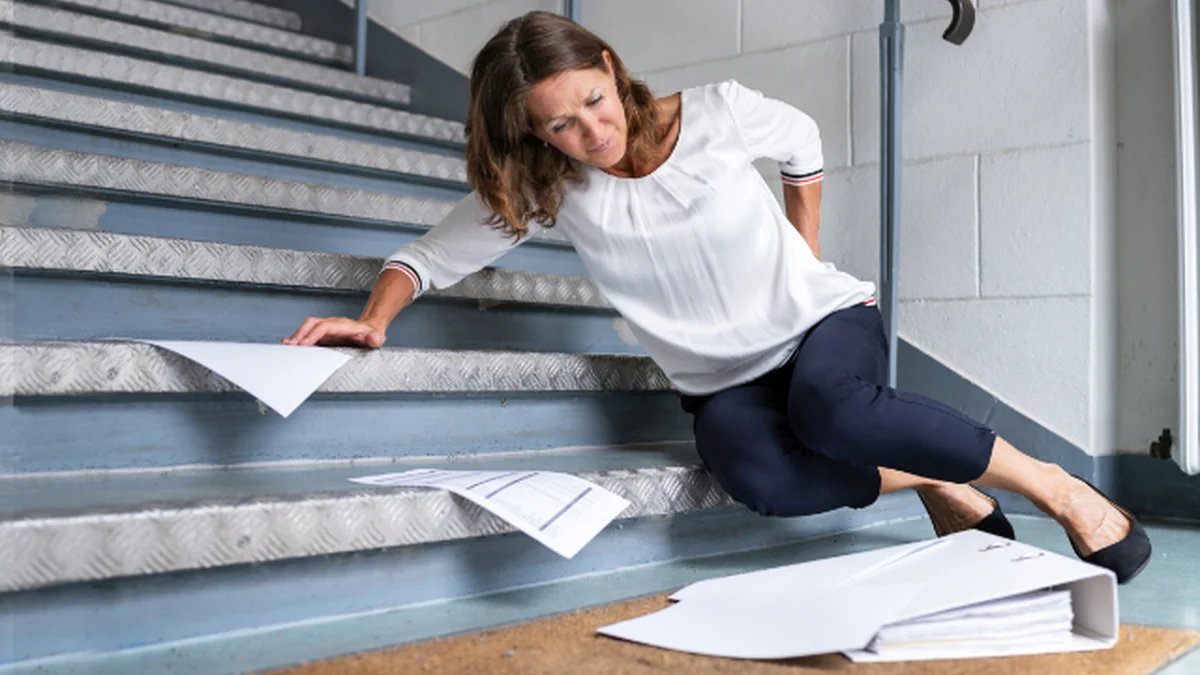
Picture this: your grandmother is out gardening, her hands in the soil, humming a tune. Then, in a split second, she trips over a hose. It’s not just a stumble-it’s a fall that lands her in the hospital with a fractured hip. Suddenly, she’s not gardening, not walking to the mailbox, not even getting out of bed without help.
One bad fall can steal an older adult’s independence, turning daily joys into daunting tasks. Falls don’t just injure the body. They can also erode confidence and quality of life. Every year, 1 in 3 adults over the age of 65 suffers from a fall, and for many, it could be the start of a downward spiral. Physical therapists often see this up close, as we frequently treat patients recovering from falls and also design fall-prevention programs for at-risk patients. But what if we could better predict who’s at risk and tailor those programs even more precisely? A new study might just hold the key.
The heavy toll of falls
Falls are considered a silent epidemic among older adults. They are responsible for 9 million injuries, 3 million emergency department visits, and about 41,000 deaths each year in the U.S., making falls the leading cause of injury-related death in individuals over 65. Falls are also associated with 172 million yearly cases of disability, all of which can place a significant strain on healthcare systems and families.
A single fall can lead to fear of falling, reduced mobility, and even social isolation. Physical therapists often step in here, as they can craft personalized exercise programs to boost balance and strength. But identifying who needs what level of assistance can be tricky.
The World Falls Guidelines algorithm was created for this purpose, as it sorts older adults into low, intermediate, or high fall-risk groups. The problem? The original algorithm wasn’t quite hitting the mark, as most individuals were lumped into either the low - or high-risk groups, with very few assigned to the crucial intermediary group.
A potentially smarter way to detect fall risk
Therefore, researchers conducted a study to fine-tune the World Falls Guidelines algorithm and improve its ability to catch those at risk before a fall happens. To do this, they recruited 693 community-dwelling adults aged 70-90 and evaluated both the original and a modified version of the algorithm.
They first tested the original algorithm, which uses questions like “Have you fallen in the past year?” and a Timed Up and Go (TUG) test-a quick measure of how long it takes to stand, walk a short distance, turn, and sit again-with a strict 15-second cutoff. This was unsuccessful, as it sorted only 0.7% of participants into the intermediate-risk group. So, they tweaked it by lowering the TUG cutoff to 10 seconds and tested everyone not already flagged as high risk. This created three solid groups:
- 50.4% at low risk
- 18.3% at intermediate risk
- 31.3% at high risk
Further analysis of the individuals in these groups revealed the following:
- The high-risk group fell 2.5 times more often than the low-risk group, confirming the algorithm’s power to identify those at risk
- The new intermediate-risk group had physical and mental traits-like weaker grip strength or slower processing speed-that were similar to the high-risk group, but they didn’t fall more than the low-risk group over the span of the study; this suggests that these patients may be prime candidates for early intervention
- These tweaks can make it easier for physical therapists to stratify patients and prescribe targeted exercises-like balance drills and strength training-to keep that intermediate group from tipping into high-risk territory
Physical therapists can be your partners in fall prevention
This study underscores the importance of accurately assessing fall risk. But assessment is just the first step. Physical therapists can effectively use this information to design personalized fall-prevention programs that address your specific needs and challenges if you’re at risk. These programs typically include:
- Balance training: exercises to improve your stability and coordination
- Strength training: building muscle strength to support your body and make it easier to recover from a loss of balance
- Gait training: improving your walking pattern to make it safer and more efficient
- Home safety assessment: identifying and addressing potential hazards in your home environment
- Education: learning about fall risk factors and strategies for preventing falls
With a physical therapist’s expertise, anyone at risk for a fall can improve their balance, strength, and confidence, reducing their risk and maintaining an active, independent lifestyle.
Take control of your balance today
If you or a loved one has experienced a fall, or if you’re worried about balance and mobility, don’t wait for another scare. Our clinic specializes in fall risk assessment and prevention for older adults, so give us a call today to take the first step toward greater confidence and safety in your daily life. For those interested in learning more, read the full study.