Manual Therapy in Stoneham
You have been stretching the same spot for months and it still will not move, so we put skilled hands on it instead.
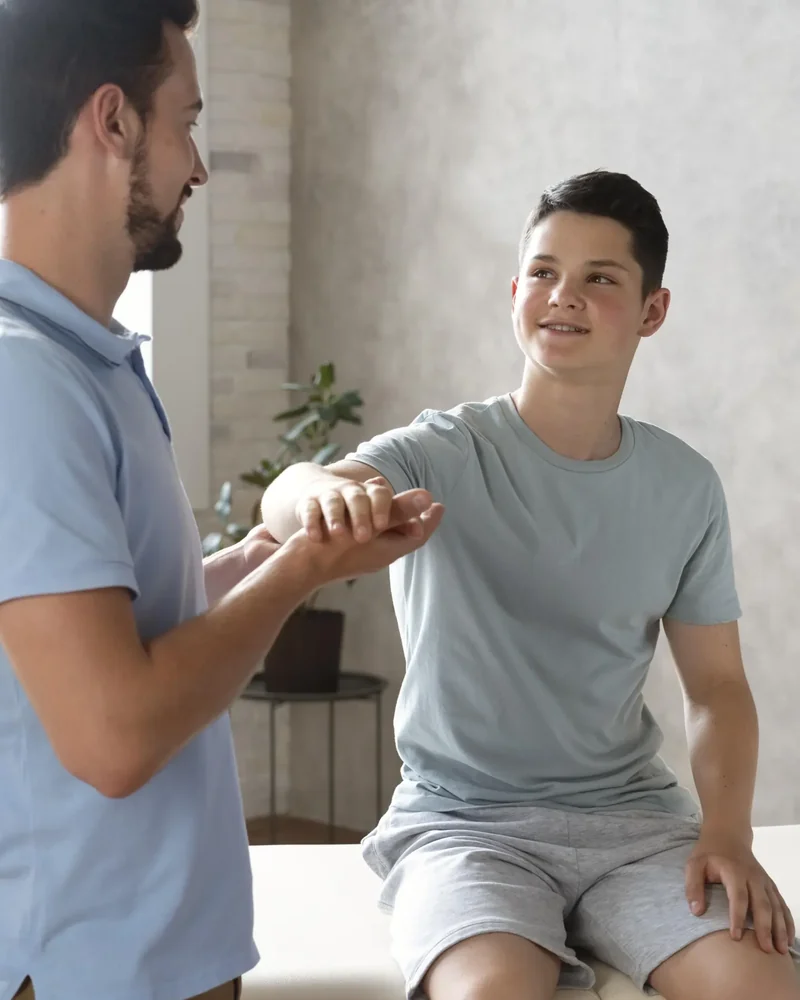
What is manual therapy?
Manual therapy is the umbrella term for skilled treatment a licensed physical therapist delivers with their hands. It covers joint mobilization, where the therapist takes a stiff joint through small graded movements it has stopped making on its own. It covers soft tissue mobilization, which is sustained, directed pressure into muscle and the connective tissue wrapped around it. It covers muscle energy techniques, where you push gently against your therapist's resistance so the tissue releases itself, and nerve glides for a nerve that has lost its ability to slide freely. What ties them together is that a trained pair of hands is both testing and treating at the same time. Your therapist feels how the tissue answers, and changes what they are doing while they are doing it.
That is the part a foam roller and a home stretch cannot copy. Stretching applies the same pull to everything in its path. Manual therapy finds the one segment that is not moving and works there, which is why people who have stretched a stiff shoulder or a locked-up low back for months often get more change in a single visit than they got on their own all season. The honest caveat: hands-on work opens a window, it does not hold it open. What holds it is the loading your therapist gives you the moment the motion comes back, and the plan you take home. That is why manual therapy at Boston Health & Wellness sits inside a full physical therapy plan, one on one, with the same therapist every visit in Stoneham or Wakefield. And because Massachusetts is a direct access state, you can book without a referral. Call (617) 843-5320 and we will verify your benefits before your first appointment.
Who it's for.
Hands-on work is not a luxury add-on to your visit. It is the fastest way we know to change tissue that has stopped responding to anything you can do yourself.
The joint that stiffened while it was protected
You spent weeks in a sling, a boot or a brace, the injury healed, and now the joint moves through part of its old range and stops dead. That is capsule and scar tissue, and it does not answer to willpower. Graded joint mobilization gives the range back a little at a time so you can reach the seatbelt, the shelf or the top stair without planning the movement first.
The back or neck that seizes on a normal Tuesday
Nothing dramatic happened. You slept wrong, or you sat through back-to-back meetings, and now turning your head or standing up from a chair is a negotiation. Hands-on work on the segments that stopped moving quiets the guarding fast, and the strengthening that follows is what keeps this from being a twice-a-year event you just live with.
The arthritic hip or knee you want to keep walking on
You have been told it is wear and tear, and you have been told to expect less. Manual therapy will not change what an x-ray shows, but stiffness and joint irritation are treatable, and most people have more available motion than their current pain lets them use. The aim here is simple: keep you walking the neighborhood, keep you off the sidelines at family events.
What to expect in a session.
Every visit follows the same shape: find it, treat it, then prove it changed before you walk out the door.
Find the segment that is actually stuck
Your therapist watches you do the movement that bothers you, then tests joint by joint and tissue by tissue to separate the part that hurts from the part that is not moving. Those are frequently in different places, which is why the spot you have been rubbing at home may not be the spot that needs the work. You will hear exactly what they found in plain language before anything is treated.
The hands-on work itself
Depending on what the exam turned up this may be rhythmic joint mobilization, sustained pressure into a tight band of muscle, a technique where you contract gently against their hand, or a nerve glide. Firm is expected. Sharp is not. Your therapist checks in as they go and adjusts pressure and angle, and asking them to ease off costs you nothing and never offends anyone here.
Load it, then reassess
New range that is never used is borrowed, not earned. As soon as the motion is there you use it, with strengthening aimed at holding the position you just got back. Then your therapist retests the movement you came in complaining about so you can feel the difference yourself. You leave with a short home plan built for that new range.
Wear clothes you can move in and that let your therapist reach the area being treated. Tell them beforehand about osteoporosis, a recent fracture, joint replacements, blood thinners, or anything else in your medical history, because it changes the techniques they choose rather than ruling treatment out. Feeling a little achy the day after hands-on work is common and settles quickly. Pain that is sharper than what you felt in the session, or soreness that keeps building instead of easing, is worth a call to (617) 843-5320 so we can adjust before your next visit.
So grateful for the patience, kindness, and just all around excellence we encountered here. My son can't wait to go back! Highly recommended
Where to go next.
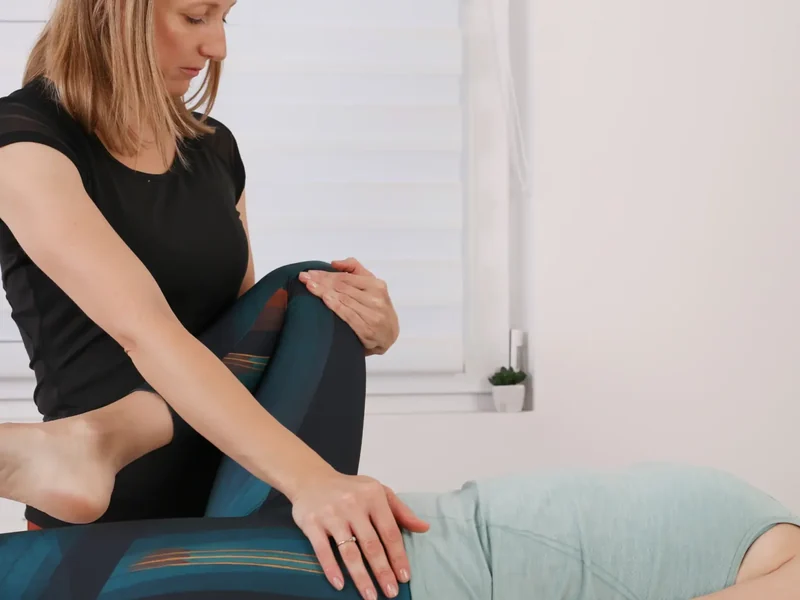
Physical Therapy
One on one care that finds the cause of your pain and builds the strength to keep it gone.
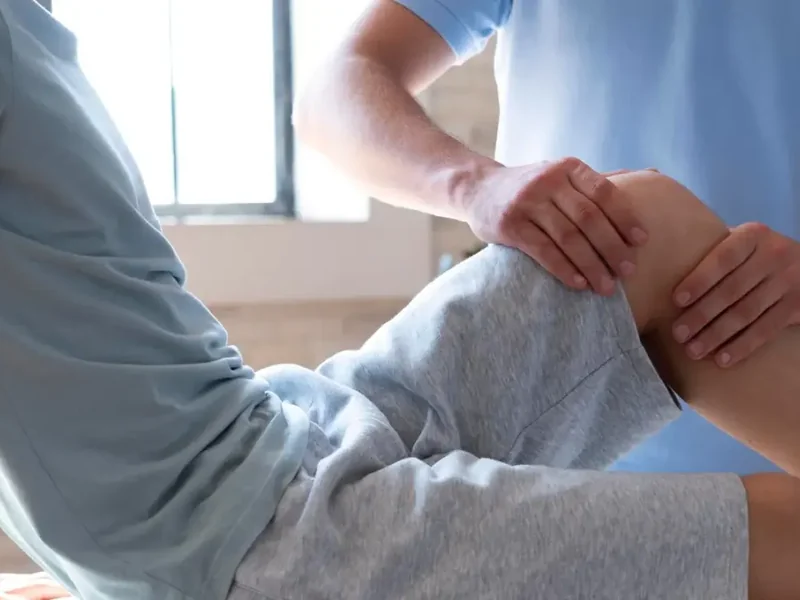
Orthopedic Therapy
Specialist care for bones, joints, muscles and the injuries that sideline them.
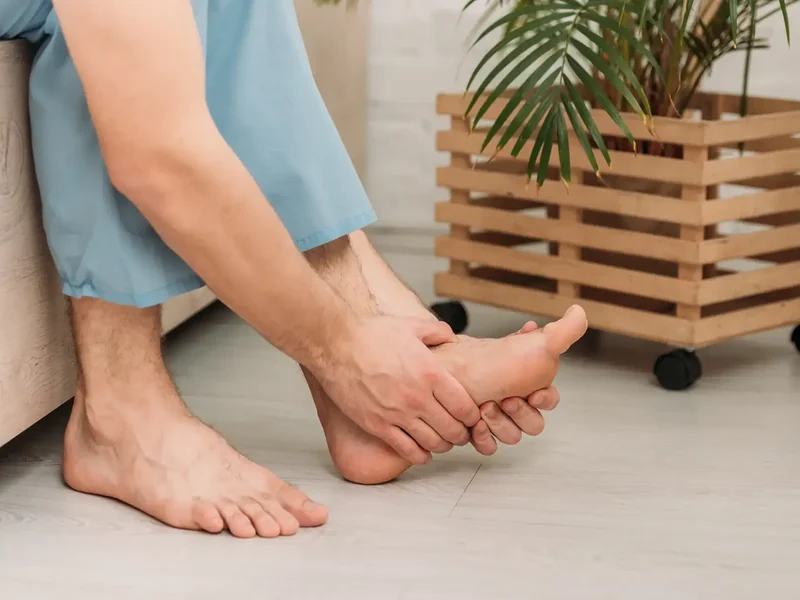
Foot & Ankle Pain
The first steps in the morning should not be the worst part of your day.
Ready when you are.
Saturday: 7:00am - 1:00pm | Sunday: Closed
Pick a day and time that works for you in our online scheduler. Prefer to talk it through? Call (617) 843-5320.
Book Online Now