Orthopedic Therapy in Stoneham
Rest, ice and waiting have not fixed the joint that still aches every morning, and orthopedic therapy is the work that finally addresses why.

What is orthopedic therapy?
Orthopedic therapy is physical therapy for the musculoskeletal system: bones, joints, muscles, tendons, ligaments, and the way all of them are supposed to work together. It covers the shoulder that will not lift overhead, the knee that gives out on stairs, the hip that aches after a mile, the back that locks up every time you unload the dishwasher. What separates it from generic exercise is the diagnosis. Before you are handed a single exercise, a licensed physical therapist tests the joint above and the joint below, watches how you move under load, and works out which tissue is actually irritated and why it got irritated in the first place. Most people who walk into our Stoneham clinic have already been told something vague. Arthritis. Wear and tear. Part of getting older. Those labels describe a picture on a scan. They do not explain why the pain shows up on the third flight of stairs and not the first, and they do not tell you what to do about it.
From there the plan moves in phases. Pain, where hands-on work calms the irritated tissue down so you can move without bracing against it. Prime, where you get back the motion and the control the joint lost while you were guarding it. Perform, where we load it, progressively and on purpose, until it holds up to your actual life. Prevent, where you leave with the specific things that keep it from coming back. You work one on one with the same therapist every visit, so nobody has to re-read your chart to remember what happened last week. And you do not need a referral to start. Massachusetts is a direct access state, most plans do not require one, and if yours is the exception we will find that out when we check your benefits and tell you before you ever walk in the door.
Who it's for.
Orthopedic therapy is for the joint problem that has outlasted rest. Three very different people book it, and all three tend to think their situation is the odd one.
An ache that never had a real explanation
Nothing happened. There was no fall, no twist, no moment you can point to, and the shoulder or the hip has been sore for months anyway. That is the most common evaluation we do. We test the joint, the joints around it, and the way you load it during a normal day, then tell you in plain language what is irritated and what is going to settle it down.
Recovering after surgery, a fracture or a brace
The repair itself went fine. The problem is everything that stiffened up while you waited to be cleared. Motion comes back first, then strength, then the confidence to trust the leg or the arm without thinking about it. We work alongside your surgeon's protocol and move you forward when the joint has earned it, not when the calendar says so.
Work or a hobby keeps setting it off
You are fine until Thursday. Then the same lift, the same shift, the same long stretch at a desk lights it up again. Treating the flare without changing what caused it just resets the clock. We look at how you actually load that joint during your week, then build the strength and the mechanics that let you keep doing it.
What to expect in a session.
Every orthopedic plan starts the same way, with a real evaluation and a conversation about what you are trying to get back to.
Evaluation and a straight answer
Your first visit is mostly listening and testing. We go through the history, measure motion and strength, watch you do the thing that hurts, and check the joints above and below the painful one. Then your therapist tells you what they found, what is driving it, and what the plan looks like, before you commit to anything.
Hands-on work, then loading
Sessions open with manual therapy to quiet the tissue and free up the motion you are missing, because it is hard to build strength through a joint that will not move. Then you get to work. Exercises are chosen for your specific limitation and adjusted every visit, with the same therapist watching your reps instead of handing you a printed sheet and walking away.
Progression and the exit plan
As the joint tolerates more, so does the program. Load goes up, the movements start to look like your real life, and we test rather than guess before clearing you for the things you have been avoiding. Most people notice a change in the first few visits. The last few are about making sure you know exactly how to keep it.
I do not typically relish the prospect of attending physical therapy. For me, it has always been a purely functional endeavor: a necessary step toward resolving pain or correcting a physical issue.
Where to go next.

Pelvic Floor Therapy
Certified pelvic health care for leaking, pressure, pain and postpartum recovery.
Shockwave Therapy
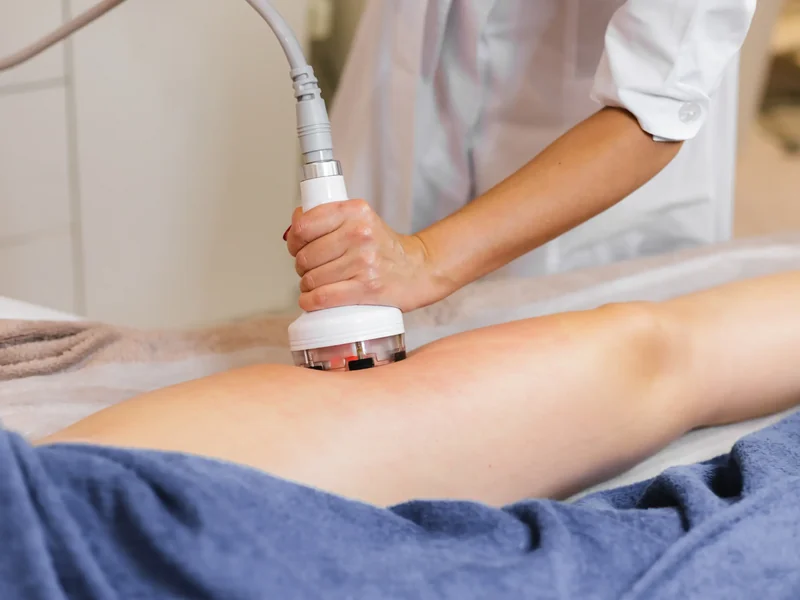
Acoustic waves that restart healing in tendons that have stalled for months.

Pre & Post Surgical Conditions
Go into surgery stronger. Come out of it recovering faster.
Ready when you are.
Saturday: 7:00am - 1:00pm | Sunday: Closed
Pick a day and time that works for you in our online scheduler. Prefer to talk it through? Call (617) 843-5320.
Book Online Now