Foot & Ankle Pain Treatment in Stoneham
You test the floor before you put weight on it in the morning, and by the end of a day on your feet you are already planning tomorrow around how far you will have to walk.
What causes foot and ankle pain?
You have been told to rest it, ice it and buy better shoes. None of that explained why it still hurts. Your feet carry your whole body weight across a very small surface every time you take a step, so pain down there is rarely one dramatic event. It is a mismatch between what a tissue can handle and what you keep asking of it.
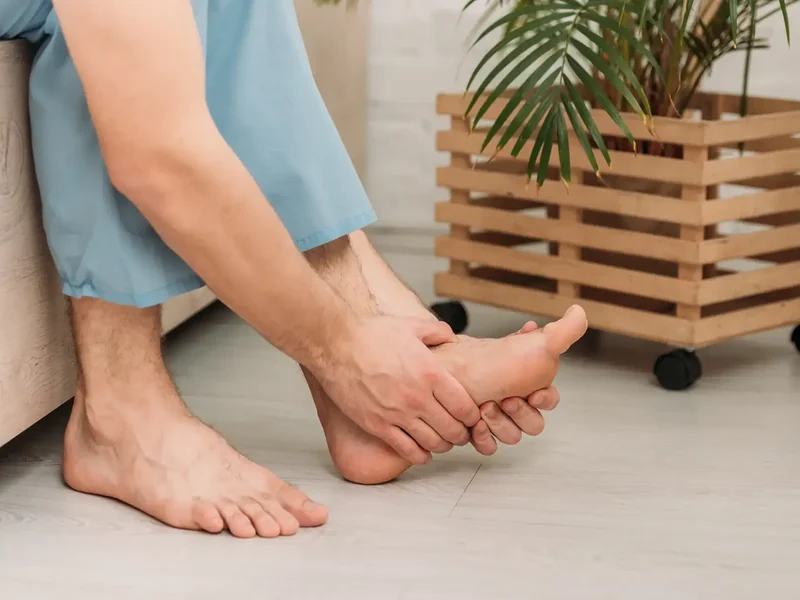
A sprain stretches or tears the ligaments on the outside of the ankle, and the pain settles long before the joint is ready. What lingers is proprioception, the sense that tells your brain where the ankle is without looking. Lose it and the muscles fire a beat late on a curb or a tree root, the ankle rolls again, and each repeat leaves it looser. That is why a sprain from years ago can still swell after a long walk. It is a control problem as much as a tissue problem, and control can be retrained.
The plantar fascia is a thick band running from your heel to the base of your toes, and its job is to hold the arch together every time you push off. Ask more of it than it can absorb and the heel end becomes irritated and sharply painful. The giveaway is the first few steps in the morning, when the tissue has shortened overnight and gets stretched all at once. Tight calves, a stiff big toe and long shifts on hard floors all raise the tension it carries.
Your Achilles absorbs a large share of your body weight with every step and more when you run or climb stairs. When demand rises faster than the tendon can adapt, the collagen inside it disorganizes. That is tendinopathy rather than simple inflammation, which is why rest alone feels great for a week and then fails on the first hill. The tendon needs graded load, plus enough calf strength that it stops doing work the calf should be doing.
A healthy foot is not rigid. The arch is built to flatten so it can absorb the ground, then stiffen so it can push off. Pain shows up when a foot loses one of those two abilities. A foot that stays collapsed asks the arch, shin and inner knee to control what the bones should control. A foot that stays rigid drives shock into the heel and the ball of the foot.
Tissue adapts to what you ask of it, but only if you ask gradually. A new job with more standing, a race build, a switch to flatter shoes, a summer in sandals. None of those is wrong. The problem is the rate of change. A workload that would be fine a month from now is not fine this week, and the structure that gives out first is the one already carrying more than its share.
Bone heals on a schedule. Motion and strength do not. After a fracture, a walking boot or an ankle surgery, the joint capsule tightens, the calf loses size, and the foot forgets how to accept load. Scar tissue around a repair can tether tendons that need to glide. The bone can be fully healed while the ankle still cannot squat, walk downhill or push off with confidence. That gap is what rehab closes, and it can be closed long after the injury.
How physical therapy in Stoneham helps.
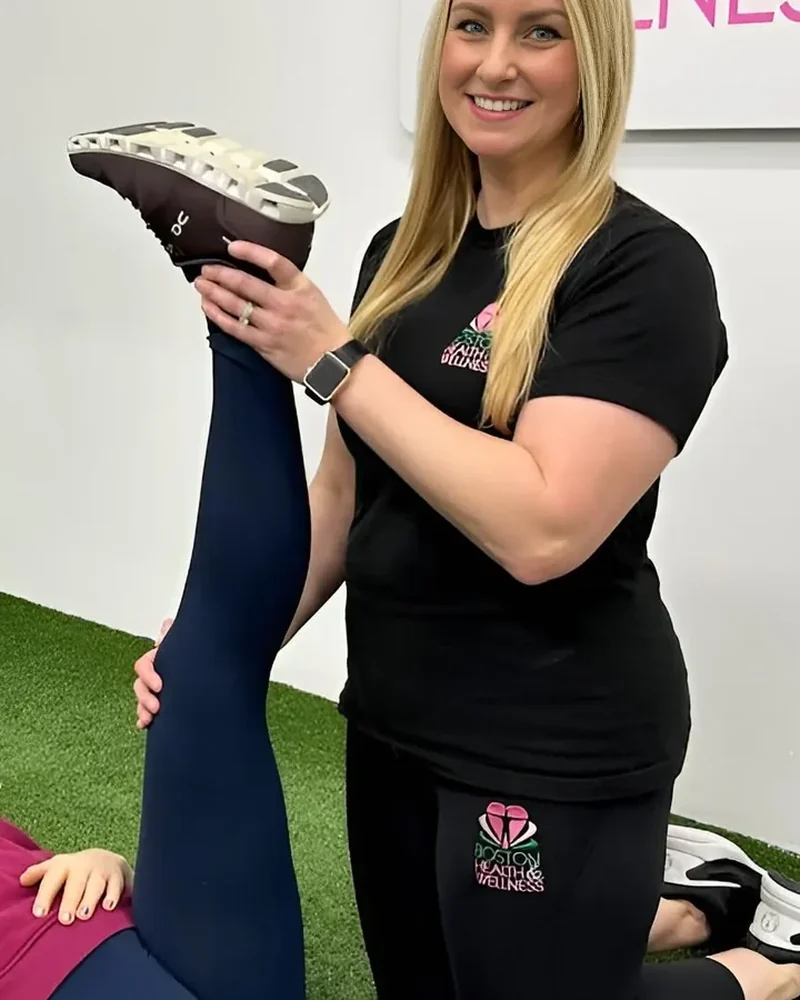
You do not need a referral to start. Massachusetts is a direct access state and most plans do not require one, so you can book at our Stoneham office on Montvale Ave or at our Wakefield office and be seen this week. The evaluation comes first. A licensed physical therapist watches you walk, measures ankle and big toe motion, tests calf strength and single leg balance, and puts hands on the tissue that hurts, so you leave knowing which structure is generating the pain. Then the hands-on work: joint mobilization to give the ankle back the motion it needs to travel over the foot, soft tissue work through the calf and arch, and dry needling or instrument-assisted work when a muscle will not release. Then the part that makes it stick, which is loading. Calf raises that progress from two legs to one, heel drops off a step, balance work on ground that moves, and a walking or running volume that climbs on purpose instead of by accident. You see the same therapist every visit.
What to expect from your recovery.
Evaluation
We look at the foot, then at everything feeding it. Ankle and big toe motion, calf strength, arch control, hip stability, and how you actually walk. You leave with a plain explanation of what is irritated, what let it get irritated, and what the plan is.
Hands-on plan
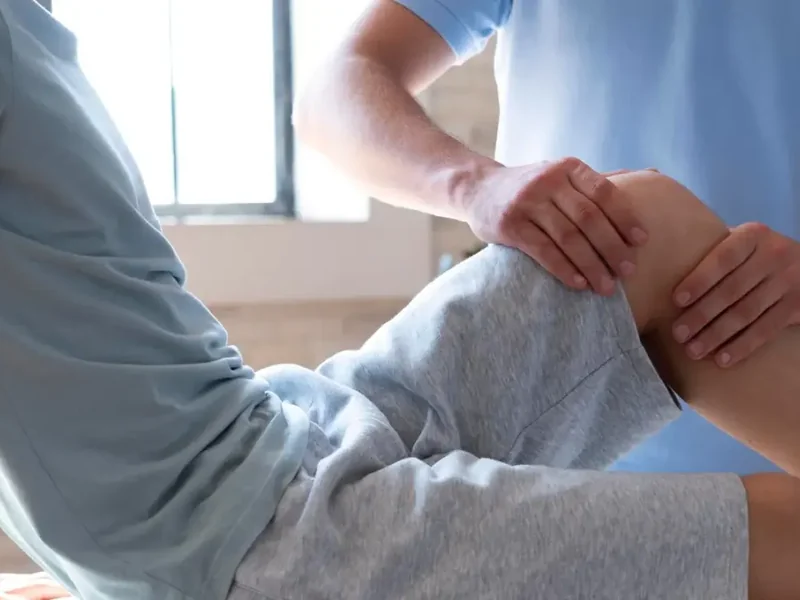
Early visits calm the tissue down and give the joint its motion back. Manual therapy through the ankle and midfoot, soft tissue work along the calf and arch, and targeted techniques when a muscle stays guarded. You get a short home program from day one, because what you do between visits matters too.
Progressive strengthening
As symptoms settle we add load on purpose. Calf and foot strengthening, single leg balance, then stairs, hills or mileage depending on what your life asks of you. Most people feel a change in the first few visits, but lasting change comes from this phase. A tissue strong enough for your day stops complaining about your day.
I’ve been going to BHW the last 4/5 yrs for PT. When you walk in you feel very comfortable especially when you’re greeted by the PT Pups. (Sam and Paul).
Pain rarely travels alone.


Ready when you are.
Saturday: 7:00am - 1:00pm | Sunday: Closed
Pick a day and time that works for you in our online scheduler. Prefer to talk it through? Call (617) 843-5320.
Book Online Now