Headache Relief in Stoneham
By mid afternoon the pressure is back behind your eyes, the screen is too bright, and you are quietly working out whether you can get through the rest of the day without going home.
What causes headaches?
Here is the part most people are never told: a large share of headaches do not start in the head. They start in the neck. The upper cervical joints and the muscles around them share nerve pathways with the scalp, the temples and the area behind the eye, so a stiff, overworked neck refers pain upward and it genuinely feels like a headache. That kind is called cervicogenic, and it is squarely in the scope of physical therapy. Migraine is different. It is a neurological condition managed by your physician, and physical therapy does not treat or cure it, though many people who get migraines also carry neck stiffness, and the neck is ours to work on. One plain note first: a headache that comes on suddenly and severely, feels unlike any you have had, follows a head injury, or arrives with new neurological symptoms should be evaluated by a physician. If yours are the familiar neck-and-shoulder kind, keep reading, and see our neck pain page.

The uppermost segments of your neck feed into the same nerve pool that supplies the back of your head, the temples and the area behind the eye. Your brain cannot always tell which structure the signal came from, so an irritated joint at the base of the skull gets read as a headache. The tell is usually one-sided pain that starts at the neck and creeps forward, provoked by holding your head in one position. Restore normal motion at those segments and the referral pattern usually quiets with it.
Your head is heavy, and the further forward it drifts, the harder the muscles at the base of your skull pull to hold it up. A laptop on a low desk, a phone in your lap, a long commute. No single moment does damage. The damage is duration, which is why the headache is predictable by mid afternoon and gone on vacation.
Muscles that stay contracted for hours develop tight, tender bands that refer pain in patterns clinicians can map. The suboccipital group at the base of the skull refers around the side of the head like a band. The upper trapezius refers into the temple. Press the right spot and patients often say that is my headache. Those bands respond well to hands-on work and dry needling, but they return if the load that created them never changes.
The jaw and the upper neck are close neighbors, mechanically and neurologically. Clenching or grinding keeps the temporalis and masseter working through the night, and that tension refers into the temples and above the ear. Jaw problems also change how you hold your head, which loads the neck, which brings us back to the first cause. Assessing jaw motion is a normal part of a headache evaluation.
After a car crash or a hard fall, the neck muscles guard to protect the area. That guarding is useful for a few weeks and unhelpful for a few years. The tissue heals, the protective pattern stays, and the neck ends up stiff, weak and permanently on alert. Headaches that began after an accident and never fully left are among the more treatable presentations we see, even years later.
There is a layer of small muscles at the front of your cervical spine whose only job is quiet, continuous support. When they lose endurance, the big surface muscles take the job instead. They are not built for it, so they fatigue, tighten and start referring pain. This is why some people stretch their neck every day and still get headaches. Stretching a muscle that is overworking does not fix why it is overworking.
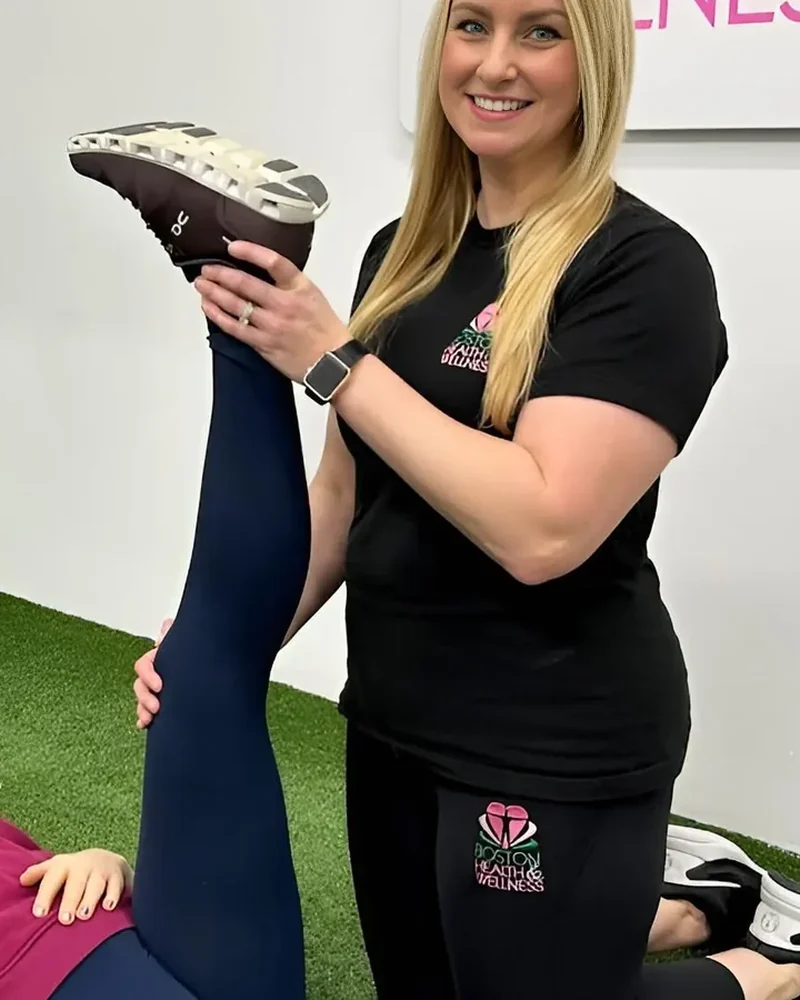
How physical therapy in Stoneham helps.
The evaluation answers the question first. A licensed physical therapist tests segment by segment through your upper neck to see whether pressure on a specific level reproduces your headache, checks rotation and side bending, screens the jaw, and measures how long your deep neck flexors can hold. That tells us whether your headaches have a mechanical driver we can treat. Then the hands-on work: joint mobilization at the stiff levels, soft tissue release through the suboccipitals and upper trapezius, dry needling for bands that will not let go, and manipulation where appropriate. Then loading, because release alone wears off. Deep neck flexor endurance, scapular and mid-back strength, and enough capacity that a full workday stops being a provocation. You do not need a referral. Massachusetts is a direct access state, most plans do not require one, and you can be seen in Stoneham or Wakefield.
What to expect from your recovery.
Evaluation
We take a careful history of when your headaches come, how long they last and what sets them off, then examine the neck and jaw directly. If pressure on a specific cervical level reproduces your headache, that shapes the plan. You leave with an honest answer about whether physical therapy can help.
Hands-on plan
Early visits target the joints and muscles driving the referral. Mobilization at the stiff segments, soft tissue work at the base of the skull and across the shoulders, jaw work when it is involved. Many people notice a change in the first few visits, usually a headache that is shorter or less intense before it is gone.
Progressive strengthening
Then we build the capacity that keeps it away. Deep neck flexor endurance, mid-back and scapular strength, and gradual exposure to the positions that used to set you off, so a long meeting or a long drive stops being a trigger.
I have been coming here for about a month and I have nothing but great things to say! Between the people, the ease of making appointments, the app, and the DOGS, you can't go wrong.
Pain rarely travels alone.
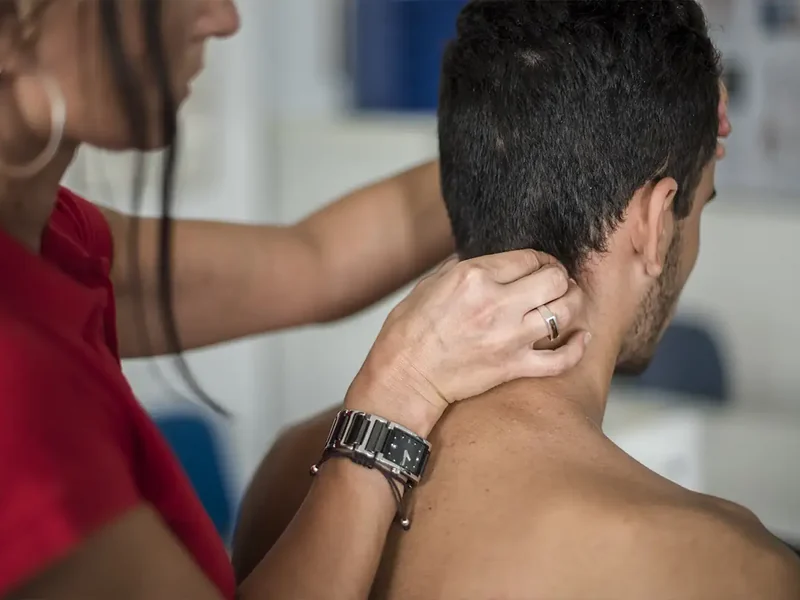
Neck Pain
Where most headaches actually begin. If the neck is stiff as often as your head hurts, start here.

Auto Accident Injuries
Headaches that started after a crash are common, treatable and worth addressing early.
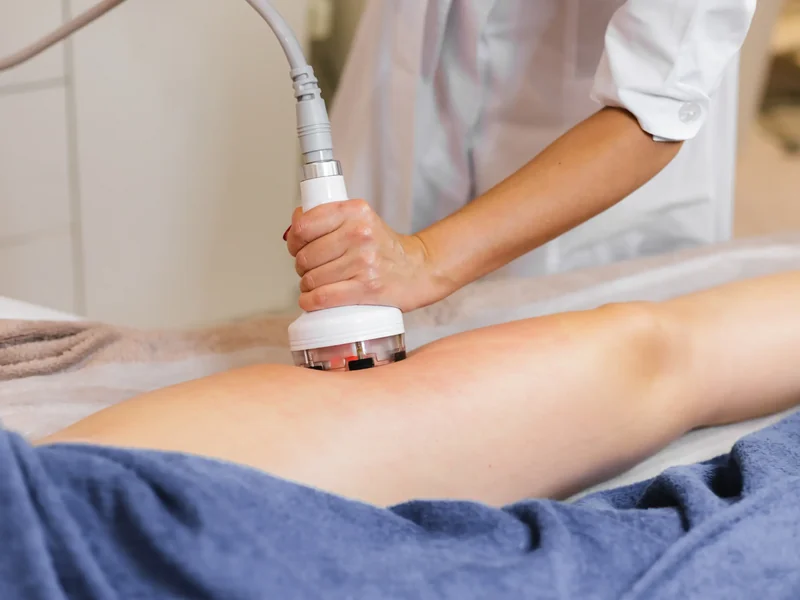
Shockwave Therapy
Acoustic waves that restart healing in tendons that have stalled for months.
Ready when you are.
Saturday: 7:00am - 1:00pm | Sunday: Closed
Pick a day and time that works for you in our online scheduler. Prefer to talk it through? Call (617) 843-5320.
Book Online Now