IASTM in Stoneham
You can put a finger on the exact spot that will not loosen, and nothing you have tried at home has changed it. Sometimes hands are not the right tool.
What is IASTM?
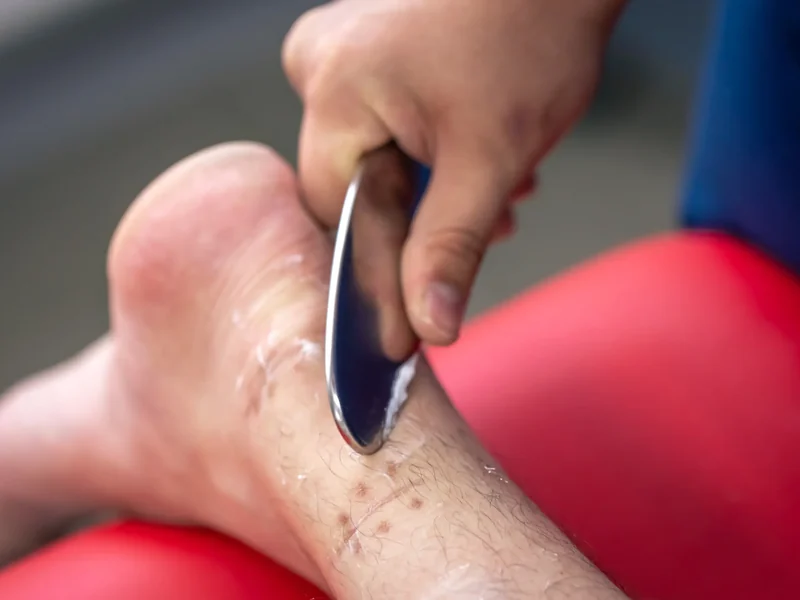
IASTM stands for instrument assisted soft tissue mobilization. It is a category of manual treatment, not a product. A licensed physical therapist applies an emollient to the skin, then works a hand-held tool, typically stainless steel or a hard polymer with beveled edges and contoured curves, across the muscle and fascia underneath. Several named systems live inside this category, Graston Technique being the best known of them, and the instruments differ in shape and finish. The working principle does not. The tool is an extension of your therapist's hands: it concentrates force into a smaller footprint than a thumb can, it holds an angle a wrist would tire of in seconds, and it transmits vibration back from the tissue so your therapist can feel where a restriction starts and where it ends rather than estimating.
The more useful question is not what IASTM is but when it beats hands alone, and the honest answer is that most of our hands-on work is still done by hand. An instrument gets chosen for specific reasons. When the restriction sits in a broad sheet of fascia like the side of the thigh, the mid-back or the sole of the foot, fingers fatigue long before the tissue changes. When the area is small and bony, around the ankle, the wrist, the elbow, a contoured edge reaches into a space a thumb simply cannot occupy. When tissue has become dense and fibrous, hands tend to slide across the top of it while an instrument catches the edge. It also spares your therapist's hands, which is no small thing in a practice built on you seeing the same person for your whole plan of care. For the detail on one branded system and the sequence it is taught in, read Graston Technique in Stoneham. To start either one, no referral is needed, because Massachusetts is a direct access state. Call (617) 843-5320 and we will check your benefits first.
Who it's for.
Three very different people, one common thread: the tissue that needs the work is somewhere hands struggle to get to.
The runner or cyclist with a whole side that is tight
The complaint lands at the outside of the knee or the hip, but the restriction runs the length of the thigh through a broad sheet of fascia. That is a lot of territory, and a therapist working purely by thumb runs out of hand before the tissue changes. An instrument covers it, finds the genuinely restricted bands, and gives you back training miles you stop negotiating one at a time.
The ankle that never got its motion back
You rolled it a while back. It stopped swelling, you went back to normal, and it has quietly refused to bend the way the other one does ever since, which shows up when you squat, take the stairs quickly, or hike downhill. Around the ankle bones there is very little room to work with a hand. A small contoured instrument fits, and the motion you get back is what protects the joint the next time you land badly.
The person who cannot tolerate deep thumb pressure
Some tissue is too sensitive for a therapist to lean into, whether that is a long-standing neck and shoulder problem or simply a low pain tolerance you should never have to apologize for. Instrument work can be dialed down and spread across a wider area, which is often far more comfortable than deep hands-on work while still changing the tissue.
What to expect in a session.
IASTM is rarely the whole visit. It is a tool your therapist picks up for part of it, and you should know why they picked it.
The exam, and the decision to use an instrument
Your therapist tests the movement that bothers you, then works through the tissue by hand to find where it is restricted. Only then do they decide whether an instrument gets used at all, and they will tell you why: the area is too broad, too bony, too dense, or too sensitive for hands alone. If hands are the better tool for your case, you get hands.
The scan and the treatment strokes
An emollient goes on so the instrument glides rather than drags. The first passes are exploratory, sweeping across the region to locate the boundaries of the restriction through the feedback in the steel. Then the strokes get specific, along and across the fibers, over a few focused minutes per area. Expect a scraping sensation, some tenderness where the tissue is worst, and pink skin afterward. Firm and tolerable is the standard, and you set that line.
Use the motion while you have it
Instrument work opens a window in the tissue and the window does not stay open by itself. You move straight into stretching and then loading through the range you just gained, which is the part that makes the change stick. Your therapist retests what hurt at the start of the visit, and you leave with a short home plan for the next couple of days rather than a vague instruction to take it easy.
Pink or red skin over the treated area is the expected response and usually settles within the hour. Occasional pinpoint spotting or light bruising over dense tissue happens, and being a little sore the next day is normal. What is not normal: pain that turns sharp during the strokes, bruising that spreads or deepens over the following days, broken skin, or swelling that builds after you leave. Speak up the second it stops feeling tolerable and your therapist will lighten the pressure, change the angle or switch to hands. Tell us beforehand if you take blood thinners, bruise easily, have a bleeding disorder, are pregnant, or have a rash, open wound, recent stitches or an infection over the area. Call (617) 843-5320 with any question.
I recently transferred to this clinic from another physical therapy facility, and the difference is night and day. Stefanie and her team are truly fantastic!
Where to go next.
Manual Therapy
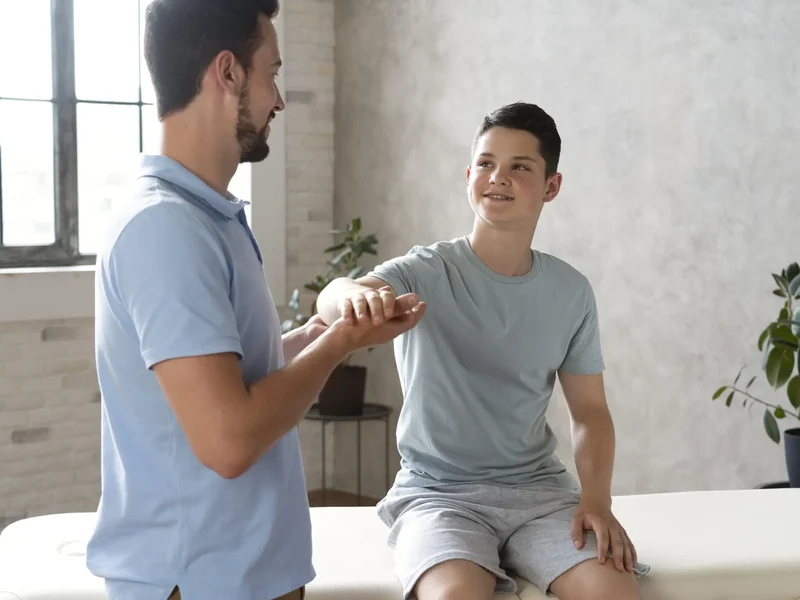
Skilled hands-on treatment that restores joint motion and releases tension.
Physical Therapy
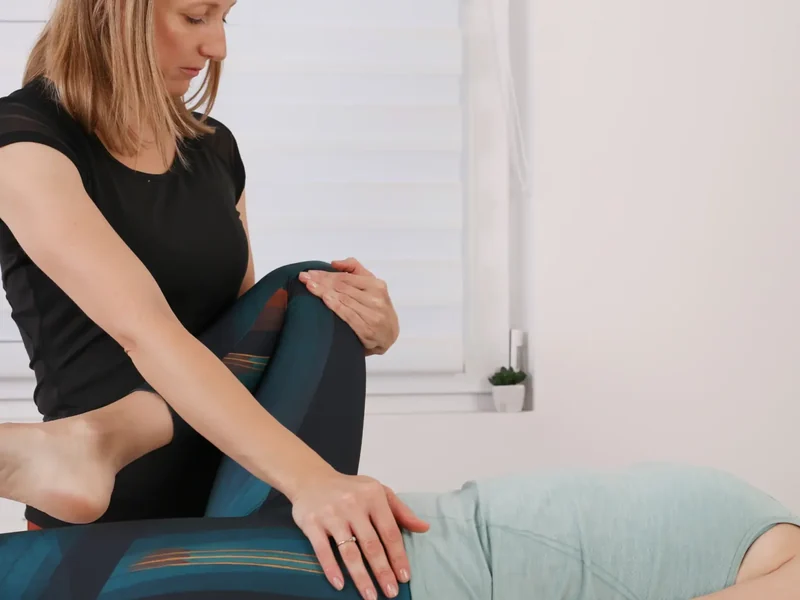
One on one care that finds the cause of your pain and builds the strength to keep it gone.
Shoulder Pain
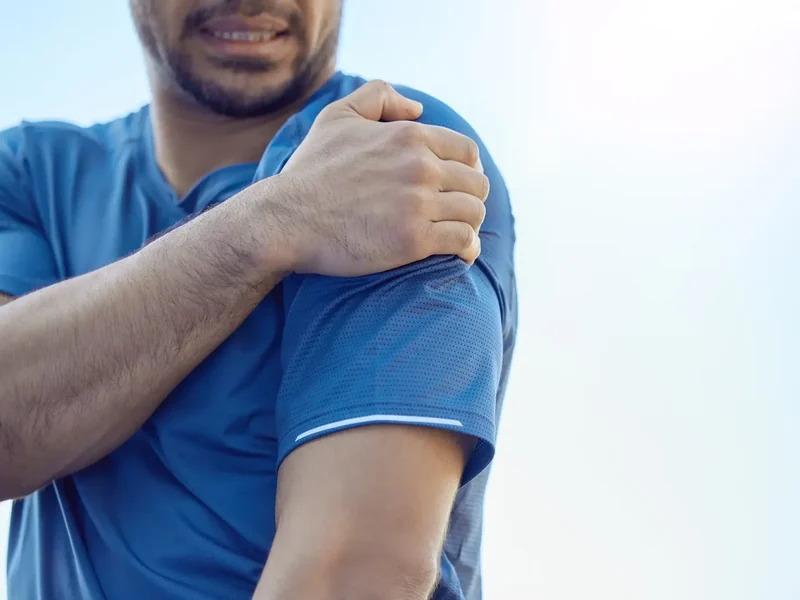
Reaching, lifting and sleeping should not hurt. We find out why they do.
Ready when you are.
Saturday: 7:00am - 1:00pm | Sunday: Closed
Pick a day and time that works for you in our online scheduler. Prefer to talk it through? Call (617) 843-5320.
Book Online Now