Active Release Technique in Stoneham
When the same spot tightens back up a day after every massage, the problem is usually not the muscle itself but what it has become stuck to, and that is exactly what Active Release Technique goes after.
What is active release technique?
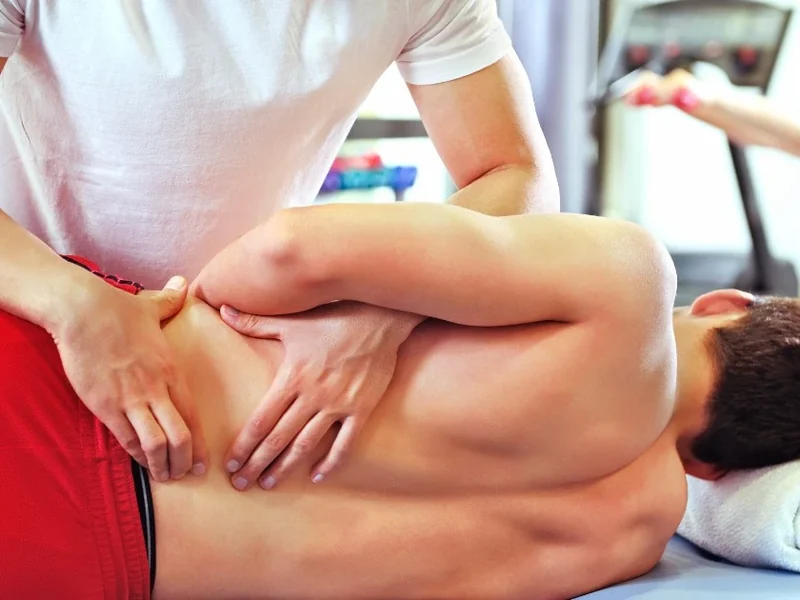
Active Release Technique, usually shortened to ART, is a hands-on soft tissue method aimed at one specific problem: tissue that has become stuck to the tissue around it. After an injury, after surgery, or after years of the same repeated motion, the body lays down scar tissue and adhesions between muscle, fascia and nerve. Those layers are supposed to glide past one another. When they stop gliding, you lose range, the muscle sits short and works overtime, and pain turns up in places that seem unrelated to whatever started it. ART differs from massage in one important way: you move. Your therapist places a precise contact on the restricted tissue, holds tension there, and then guides your limb through a specific motion so the tissue is drawn through that contact. The restriction releases under the movement, not under the pressure alone. That is why a therapist trained in ART works from a catalogue of named structures and named motions rather than a general rub down.
What you notice first is range. An arm that used to stop short of shoulder height goes further before the pinch arrives. A hamstring that felt permanently short lets go. What matters more is what that opening lets us do next. Releasing the restriction is the start of the visit, not the end of it. Once the tissue glides, your licensed physical therapist loads it, so the new range gets held in place by strength instead of quietly disappearing by Thursday. Most people feel a difference in the first few visits, and you do not need a referral to come find out. Massachusetts is a direct access state, most plans do not require one, and we are in network with almost all of them.
Who it's for.
ART is at its best on tissue that has been restricted for a while and has stopped responding to stretching. Three very different people tend to end up on the table for it.
The desk worker with a forearm that burns by noon
Same keyboard, same grip, same angle all day, and now the outside of your elbow aches and your grip is fading. Repetitive strain builds adhesions through the forearm and elbow long before anything actually tears. Working those layers under motion restores the glide, and the burn stops showing up at lunchtime the way it has been.
The runner whose hamstring never fully came back
You strained it a season ago, rested it, returned, and it has felt like a rope ever since. Scar tissue from an old strain heals in short and disorganized, and stretching only tugs at the ends of it. ART targets the specific band that is holding, then we retrain the hamstring under load so it is ready for a full stride, not just a cautious jog.
The patient with tingling that follows a path
You have numbness or tingling running down the arm at night, and nothing dramatic showed up on imaging. Nerves travel through tunnels of muscle and fascia, and when those tissues tighten around the path, symptoms tend to follow it. Your therapist assesses whether the soft tissue is contributing, treats what is restricted, and coordinates with your physician if anything falls outside what physical therapy should be handling.
What to expect in a session.
ART is done by feel, so your therapist treats and re-checks constantly. Here is the shape of a session.
Finding the restriction
Your therapist works through the area by hand, feeling for texture that does not match: a band that is denser than it should be, a spot that will not slide. You usually know it when they find it, because the tender point they land on is often the exact one you have been pointing at for months. They also check your range before treating, so there is something honest to compare against afterward.
Tension and motion together
The therapist holds a firm contact on the restricted tissue while you take the limb through a specific range, either on your own or with their help. It is an unusual sensation, a deep drag rather than a sharp pain, and it eases as the tissue releases. Speak up if it goes past uncomfortable. The tension is adjustable and the technique works better when you can stay relaxed.
Re-testing and loading
Right after the release, your therapist re-checks the motion you started with so you both see what changed. Then you use it. Light strengthening through the new range in that same visit is what teaches your body to keep it, and the home exercises you leave with are chosen to protect that gain between appointments.
I have been coming here for about a month and I have nothing but great things to say! Between the people, the ease of making appointments, the app, and the DOGS, you can't go wrong.
Where to go next.
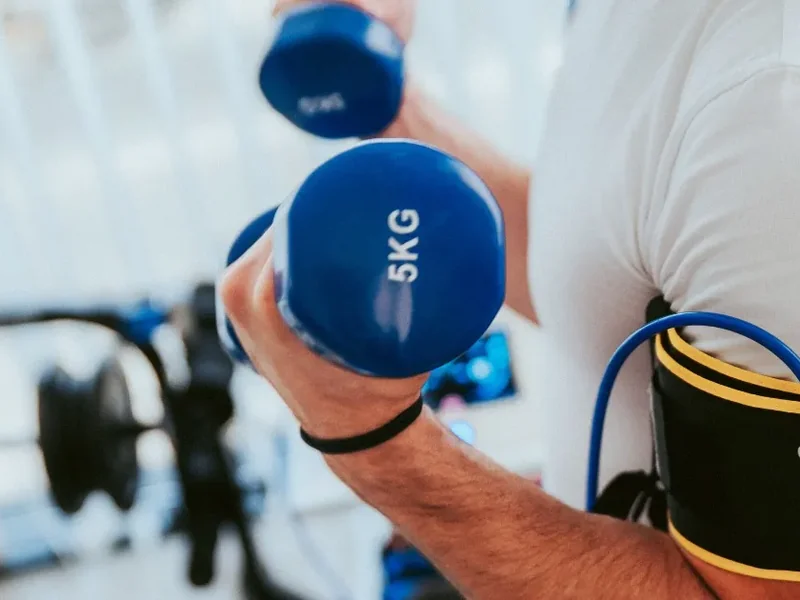
Blood Flow Restriction Training
Build real strength with light loads, ideal when heavy lifting is off the table.
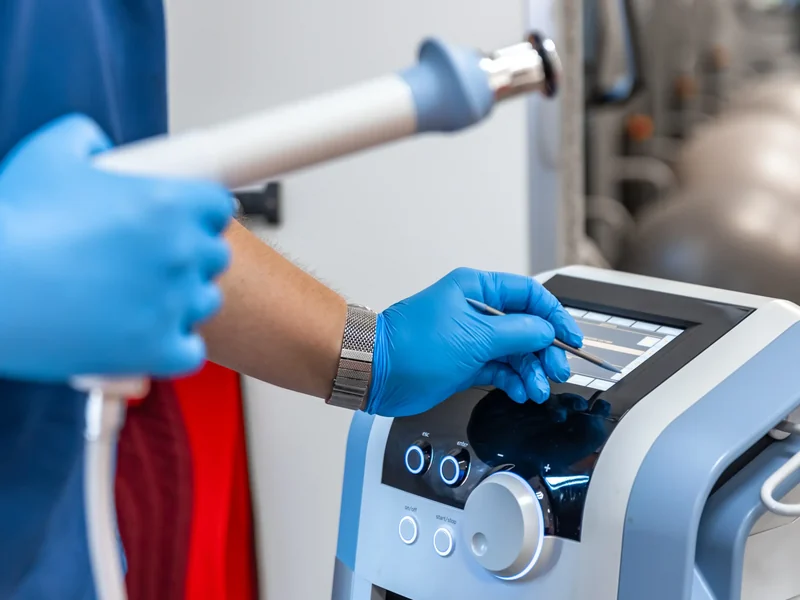
Cryotherapy
Targeted cold to calm inflammation and speed recovery between hard sessions.

Hip & Knee Pain
Stairs, squats and long walks get their difficulty back.
Ready when you are.
Saturday: 7:00am - 1:00pm | Sunday: Closed
Pick a day and time that works for you in our online scheduler. Prefer to talk it through? Call (617) 843-5320.
Book Online Now