Elbow, Wrist & Hand Pain Treatment in Stoneham
Turning a key, lifting a coffee cup, waking at three in the morning to shake feeling back into your hand: when the arm you use for everything hurts, there is no way to rest it.
What causes elbow, wrist, and hand pain?
You have tried the brace. You have tried switching hands. The pain is still there when you grip the steering wheel. Your elbow, wrist and hand form a long chain of small joints, tendons and nerves that has to be both precise and durable, and it never gets a day off. Most pain here traces back to one of three things: a tendon loaded past what it has been prepared for, a nerve compressed somewhere along its path, or a joint that has stiffened. Telling them apart is the first job.

Tennis elbow is the tendon on the outside of the elbow being asked for more than it has been built up to give. That tendon takes load every time you grip, lift with the palm down or twist a screwdriver, and when the demand outpaces the tissue, it becomes painful and sensitive. Most people who get it have never held a racquet. It turns up in carpenters, hairdressers, new parents and anyone whose grip work changed recently. Rest alone tends to fail, because tendons need graded load to rebuild.
The same problem on the inside of the elbow, where the tendons that flex your wrist and fingers attach. It gets loud with gripping, pulling and repeated wrist bending, and it can ache down the inside of the forearm. It responds to the same principle as tennis elbow, and to the opposite of what most people try first: not complete rest, but a controlled return to loading the tendon, alongside changes to whatever activity outgrew the tissue.
The median nerve passes through a narrow tunnel at the base of the palm alongside nine tendons. When that space gets crowded by swelling or by sustained wrist positions, the nerve is compressed, and you get numbness, tingling and clumsiness in the thumb, index and middle fingers, classically waking you at night. Nerves need to slide, not just have room, so treatment combines position changes and tendon glide work with hands-on techniques that restore movement through the wrist and forearm.
The ulnar nerve wraps around the inside of the elbow through a shallow groove, which is the spot you hit and call your funny bone. Sleeping with the elbow fully bent, leaning on an armrest, or holding the elbow flexed for long stretches compresses and stretches it, and the symptoms land in the ring and little fingers. Left alone it can progress to weakness in the hand. Changing the positions that irritate it and restoring nerve mobility usually turns it around.
The tendons running to the thumb pass through a tight sheath at the side of the wrist, and when they get irritated, lifting anything with the thumb out, wringing a towel or picking up a child becomes sharply painful. It is common after a change in hand use, including new parents and anyone whose job or hobby recently added repetitive gripping. Calming the sheath, restoring thumb and wrist motion, then rebuilding grip strength in stages is what keeps it from returning.
Small joints stiffen quickly when they hurt, and stiffness makes them hurt more, which is a loop that tightens the longer it runs. Arthritic change at the base of the thumb and through the wrist causes aching, swelling and a grip that fails at the wrong moment. These joints do best with regular movement, sensible loading, and tools or techniques that reduce how much force they have to produce. Doing less with the hand almost always makes the next month harder, not easier.
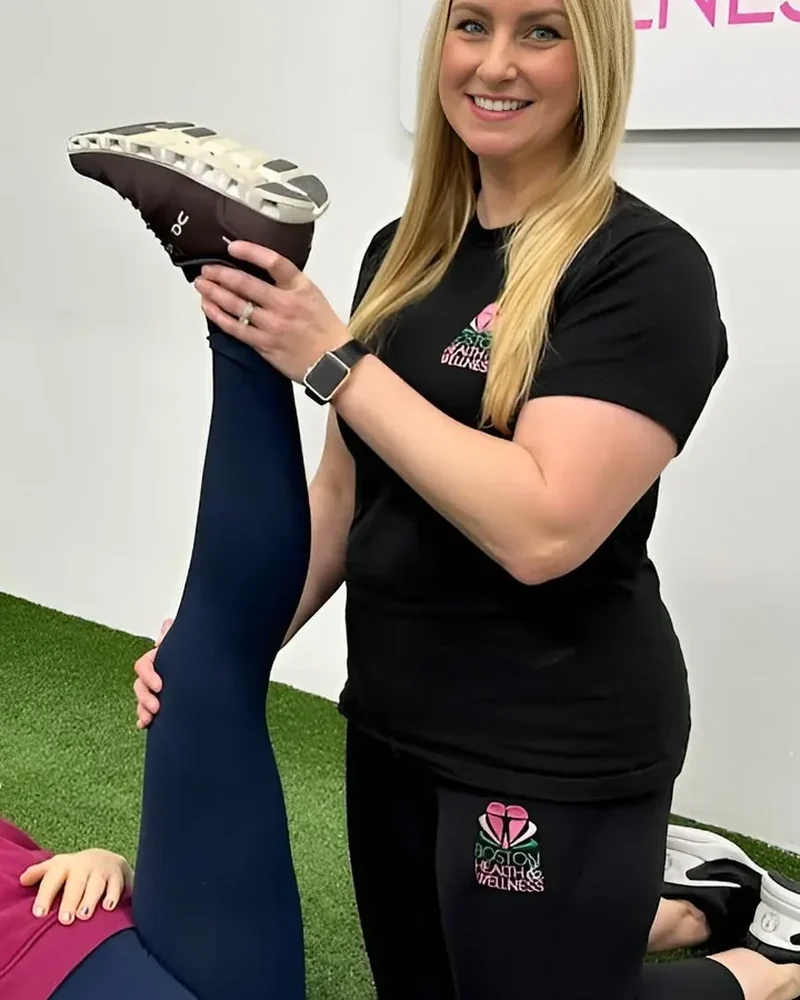
How physical therapy in Stoneham helps.
Assessment first, because a tendon problem, a nerve problem and a stiff joint look similar from the outside and need very different plans. A licensed physical therapist tests your grip, moves every joint from the shoulder down, runs the specific tests for the nerves at the elbow and wrist, screens your neck since it can refer symptoms into the arm, and asks exactly what your hands do all day. Then the hands-on work. Soft tissue and instrument-assisted work along the forearm, joint mobilization at the elbow and wrist, and nerve glide techniques give the irritated tissue room and take the constant tension off it, which is usually the first thing that makes gripping tolerable again. Then we load. Tendon and grip strength rebuild through graded, specific loading rather than rest, and we adjust the desk, the tool or the technique that overloaded it so the same thing does not happen twice. One therapist, one on one, at either the Stoneham or Wakefield office, and most plans let you start without a referral.
What to expect from your recovery.
Evaluation
We test grip, move every joint from the shoulder to the fingers, run the specific nerve tests for the elbow and wrist, and screen your neck. Then we go through what your hands actually do in a day, since that is usually where the answer sits. You leave the first visit with an explanation instead of a label.
Hands-on plan
We work on the forearm tissue, the elbow and wrist joints, and the nerves that need to slide freely. Instrument-assisted soft tissue work and manual therapy take tension off the irritated structures, and we sort out the positions, grips and tools that keep re-provoking it, so the tissue gets a chance between sessions.
Progressive strengthening
Tendons rebuild by being loaded, carefully and in the right order. We take grip and forearm strength from light and controlled up to the demands of your job, your instrument or your sport, and we keep loading until the thing that used to hurt is something you do without thinking about it.
Stefanie is always so pleasant, and really makes you feel welcome! I love the atmosphere and the energy in the office.
Pain rarely travels alone.

Ready when you are.
Saturday: 7:00am - 1:00pm | Sunday: Closed