Work Injuries Treatment in Stoneham
You are hurt, you are behind on the paperwork, and underneath both of those you are wondering what happens to your job if you cannot do the lifting part of it.
What causes work injuries?
A work injury is rarely just an injury. It comes attached to a claim, a supervisor waiting on an update, and the quiet worry about how long you can be on light duty before it becomes a problem. We accept Workers' Compensation, we communicate with the people who need documentation of your progress, and we build the plan around the actual physical demands of your job rather than a generic protocol. First, though, it helps to understand what happened to the tissue.
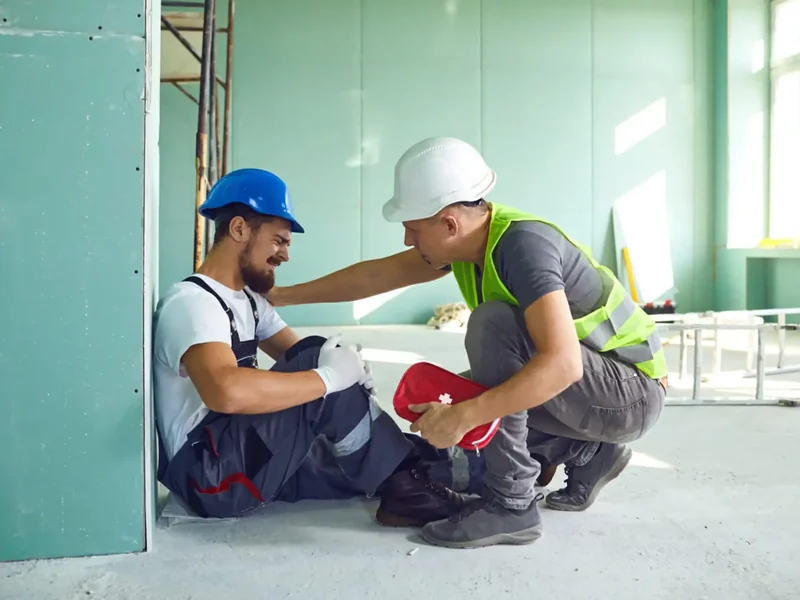
Backs do not get hurt by lifting. They get hurt by lifting more than they are currently prepared for, usually while bent and rotated, often at the end of a shift when the muscles that share the load are already tired. The disc and the surrounding tissue take a share they were not ready for and the whole area splints to protect itself. That protective stiffness is why the second day is worse than the first. It is also why the answer is graded strength rather than indefinite avoidance of lifting.
The same motion done all day, every day, is the most underestimated injury mechanism there is. Scanning, cutting, typing, gripping a trigger, turning a wrench. No single repetition is close to your limit, but tendons and nerve tissue respond to total volume, not to any one effort. Symptoms build slowly, get blamed on age, and by the time you mention it the tissue has been irritated for months. These respond well, but they need the workstation and the pattern addressed alongside the tissue.
Working with your arms above your head, in a crawl space, or leaning into a fixed position holds tissue at the edge of its range while it is producing force. The rotator cuff has less room to work overhead, the neck and mid back carry the head at a bad angle, and nothing gets to rest. Trades, electrical, warehouse and healthcare work are full of these positions. Strength through the shoulder blade and mid back is usually what is missing.
A wet floor, an unmarked step, a load that shifts. The force arrives faster than any muscle can respond to, so the joint and the soft tissue absorb it. What tends to get missed is everything that was not the obvious injury: the wrist you caught yourself on, the neck that snapped sideways, the hip you landed on. Those secondary areas often become the reason a return to work stalls, which is why we assess the whole pattern rather than the one item on the report.
Here is the trap. Time out of work protects the injury and quietly reduces everything else. Strength, tolerance for standing, grip endurance, the capacity to repeat a task for a whole shift. Then full duty arrives all at once and the body meets its old workload without the conditioning it used to have. That is the most common reason a work injury happens twice. Bridging that gap on purpose, before you are cleared, is one of the more valuable things rehab does.
How physical therapy in Stoneham helps.
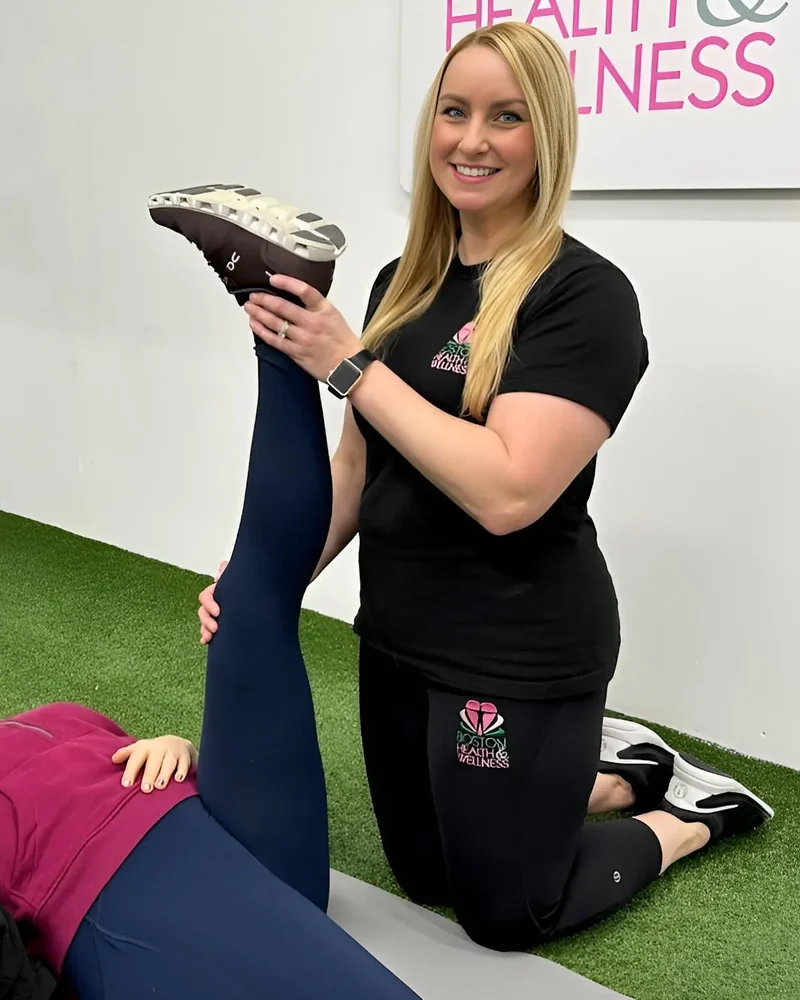
The evaluation starts with your job, not just your injury. A licensed physical therapist asks what you actually do: how much you lift and from what height, how many hours you stand, whether you are overhead, whether there is a truck or a ladder involved. Then we examine the injured area and the regions carrying for it. Then the hands-on work to bring pain and stiffness down, using manual therapy, soft tissue techniques and dry needling where they help, so you can start moving again sooner. Then the loading, built to look like your shift. Lifting from the floor, carrying, reaching, repeating a task long enough to prove tolerance rather than just capability. On the practical side: we accept Workers' Compensation, and if a case manager, employer or physician needs documentation of your progress, we handle that communication rather than leaving it on you. Massachusetts is a direct access state, so in most cases you can start without waiting on a referral. Call (617) 843-5320 and we will check your benefits before your first visit.
What to expect from your recovery.
Evaluation
We test the injured area, screen the regions compensating for it, and write down the specific physical demands of your job so there is a clear target to work toward. You leave knowing what is injured, what the plan is, and what we will be documenting along the way.
Hands-on plan
Early visits are about getting pain and guarding down so you can move. Manual therapy, soft tissue work and dry needling where it is useful, paired with a home program that fits around a shift rather than assuming you have an empty afternoon. You see the same therapist every visit, so your progress notes stay consistent.
Progressive strengthening
Then we rebuild toward the job itself. Lifting from the height you actually lift from, carrying the distance you actually carry, holding the position you actually hold, repeated until it is boring. Being comfortable at rest is not the goal. Getting through a full shift without paying for it the next day is the goal.
I recently transferred to this clinic from another physical therapy facility, and the difference is night and day. Stefanie and her team are truly fantastic!
Pain rarely travels alone.

Auto Accident Injuries
Whiplash and crash injuries treated early, before they settle in.

Pre & Post Surgical Conditions
Go into surgery stronger. Come out of it recovering faster.
Physical Therapy
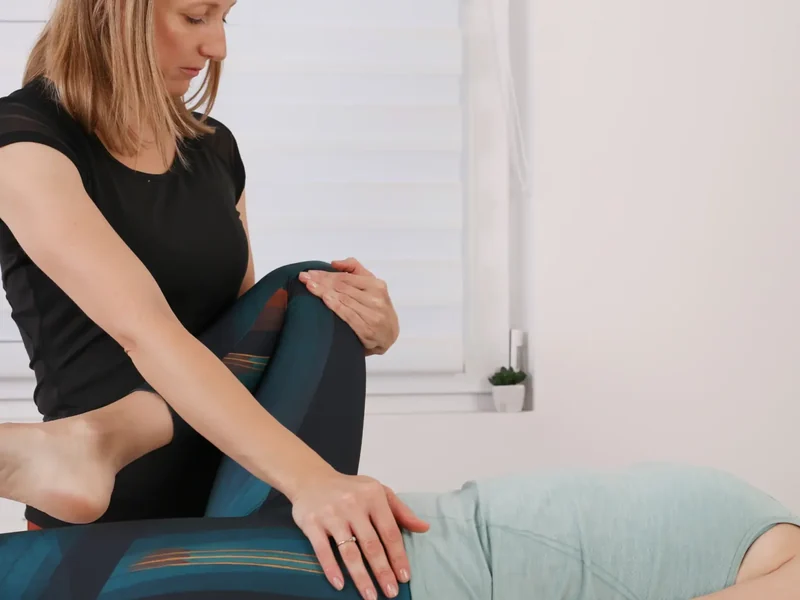
One on one care that finds the cause of your pain and builds the strength to keep it gone.
Ready when you are.
Saturday: 7:00am - 1:00pm | Sunday: Closed
Pick a day and time that works for you in our online scheduler. Prefer to talk it through? Call (617) 843-5320.
Book Online Now