Dizziness & Vertigo Treatment in Stoneham
The room moves when you roll over in bed, so now you sleep propped up, drive less, and turn your whole body instead of your head.
What causes dizziness and vertigo?
Dizziness is one word for four or five different sensations, and the difference matters more than anyone tells you. Spinning is not the same as floating. Floating is not the same as the greyed-out feeling when you stand up too fast. Most true vertigo starts in the vestibular system, the inner ear structures that report which way is up, though the neck, the eyes and migraine biology all feed the same circuit. Naming the source is the whole job, because the treatment for one cause does nothing for another.

Tiny calcium crystals sit in one part of your inner ear and are supposed to stay there. When some break loose and drift into a balance canal, every roll in bed or glance up at a shelf sends your brain a violent, false report that the world is turning. This is worth saying plainly: BPPV is one of the most satisfying things physical therapy treats. Once your therapist identifies which canal they are in, guided repositioning maneuvers move them back, and people are often startled by how quickly things settle.
The nerve carrying signals from your inner ear to your brain can become inflamed, often after a virus. The result is severe, unrelenting vertigo rather than the short bursts of BPPV, and it can flatten you for days. The inflammation itself usually calms down on its own. What does not resolve on its own is the compensation your brain builds while it happens, which is why people feel foggy and off balance long after the worst has passed. Guided movement early is what keeps that from settling in.
The joints and deep muscles of your upper neck stream constant position updates to your brain, and those updates have to agree with what your inner ear and eyes are reporting. When the neck is stiff or guarded after an injury, its reports get noisy and the signals stop matching. You feel that mismatch as unsteadiness or a swimming sensation, usually tied to head turning or holding one position too long. Treat the neck and the dizziness frequently goes with it.
Dizziness can be a migraine event with no headache attached at all, which is why people go years without connecting the two. The nervous system is running hypersensitive, so grocery aisles, scrolling screens and highway driving provoke symptoms that have nothing to do with inner ear damage. Physical therapy does not manage the migraine itself, but graded visual and vestibular exposure raises tolerance so everyday triggers stop costing you a whole day.
A head impact can disrupt the vestibular system, the way your eyes track and stabilize, and the timing between the two. That combination produces dizziness that gets worse with screens, crowds and quick head turns, which is exactly what most people return to first. Recovery is structured rather than passive. Symptoms are reintroduced deliberately, in doses that provoke without overwhelming, so the system relearns how to handle real movement.
After a bad episode almost everyone starts protecting themselves. You sleep on one side, turn your shoulders instead of your head, stop looking up, stop driving at night. Those habits work in the short run, and then they quietly become the problem, because the vestibular system only recalibrates through the movement you are now avoiding. Undoing that guarding is often the difference between tolerable symptoms and movement that feels normal again.
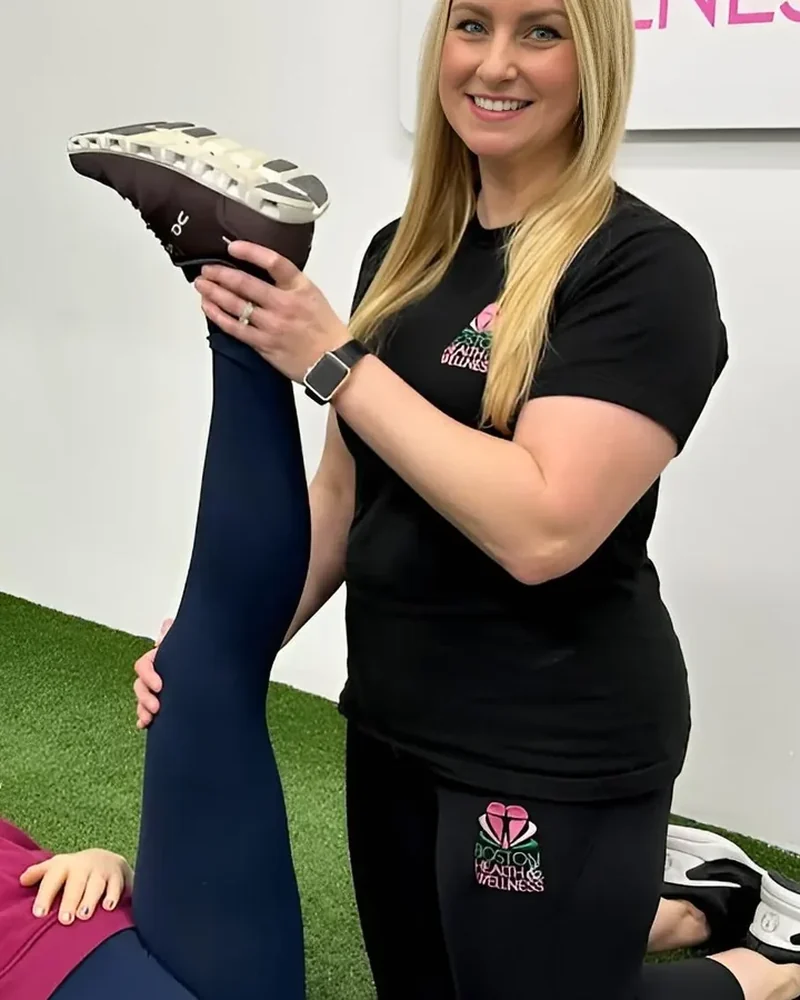
How physical therapy in Stoneham helps.
Almost all of the first visit is assessment, because the treatments for these causes have almost nothing in common. Your licensed physical therapist watches your eyes while your head moves, positions you in the ways that provoke symptoms, checks how your neck moves, and tests balance with and without vision. By the end you generally know which system is misfiring, which is more than most people have been given.
One thing to be clear about first: dizziness that arrives suddenly alongside new neurological symptoms, such as slurred speech, double vision, facial droop, severe headache, or weakness or numbness on one side, is not a physical therapy appointment. That needs urgent medical assessment, right away.
From there the hands-on work fits the finding. BPPV gets guided repositioning maneuvers, your head moved through a specific sequence. A neck-driven case gets joint mobilization and soft tissue work instead, and manual therapy often changes symptoms in the same session. Then we load the system, because tolerance is built, not waited for. Gaze stabilization while your head turns. Balance work with vision taken away. Walking while scanning. Busy visual environments, on purpose, in doses you can absorb. Our vestibular therapy program is built around that progression, and Massachusetts direct access means you can book without chasing a referral.
What to expect from your recovery.
Evaluation
Positional testing, eye movement testing, neck screening and balance work, one on one, with the goal of naming the cause rather than the symptom. Bring the details you think are irrelevant. Which direction you rolled, how long it lasted, what you were doing beforehand. Those often identify the canal or the pattern.
Hands-on plan
If it is BPPV, repositioning starts that day, with clear instructions for afterward. If the neck is driving it, manual therapy to the upper neck starts instead. Either way you leave the first visit with treatment already underway, not just a diagnosis and a follow-up date.
Progressive strengthening
Then we build tolerance deliberately. Head turns get faster, surfaces get less stable, visual environments get busier, and the exercises move toward the things dizziness took from you: driving, the stairs, the grocery aisle, looking up. It can feel provocative in the moment. That is the mechanism, and your therapist controls the dose.
Boston Health and Wellness is the place to go for your PT. Stephanie is awsome and listens to give you the perfect treatment. Her staff is caring, friendly and professional.
Pain rarely travels alone.

Pelvic Pain
Pain that nobody explained to you, treated by certified pelvic health therapists.

Pelvic Organ Prolapse
Heaviness and pressure have a conservative treatment path. Start here.
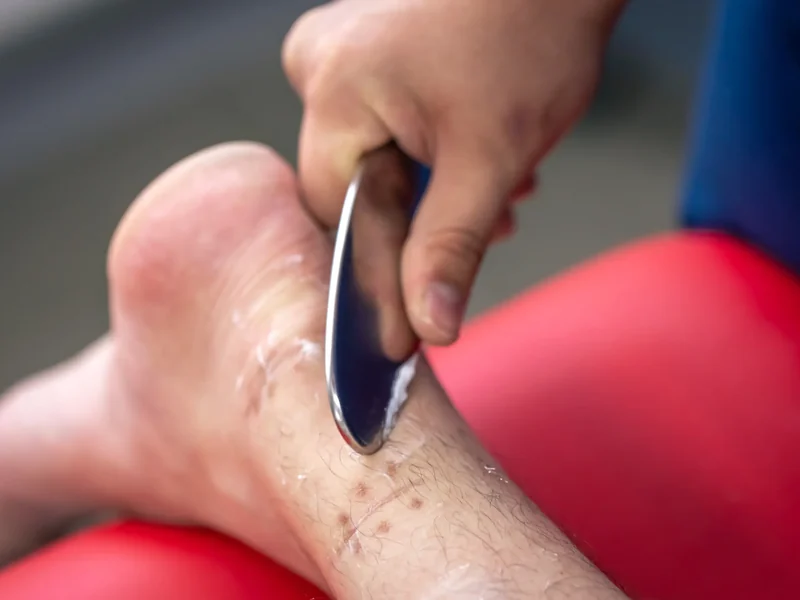
IASTM
Instrument assisted soft tissue work for adhesions, scar tissue and chronic tightness.
Ready when you are.
Saturday: 7:00am - 1:00pm | Sunday: Closed
Pick a day and time that works for you in our online scheduler. Prefer to talk it through? Call (617) 843-5320.
Book Online Now