Sprains, Strains & Tendinitis Treatment in Stoneham
You were told it was just a sprain, it has been weeks, and you still cannot trust it on stairs or push off it without bracing for the sting.
What causes sprains, strains and tendinitis?
Those words get used as if they mean the same thing. They do not. A sprain, a strain and a tendinopathy involve different tissue, heal on different timelines and need different loading, and that is exactly why so many of these injuries drag on. Treat a tendon like a ligament and it stays sore for months. Rest a strain the way you would rest a tendon and it comes back weaker. Here is the difference in plain language, and what it changes about your plan.

Ligaments connect bone to bone and act as the joint's guide rails. A sprain happens when the joint gets forced past the range those rails allow: an ankle rolling off a curb, a knee twisting under a planted foot, a thumb caught in a jersey. Because ligaments also carry the position sensors your brain relies on, a sprain costs you stability and awareness at the same time. That is why a sprained ankle keeps rolling long after it stops hurting. Getting the swelling down is the easy part. Rebuilding the joint's sense of where it is takes deliberate work.
Strains happen inside the muscle or at the junction where muscle becomes tendon, usually when a muscle is asked to lengthen and produce force at the same time. Think of a hamstring at full stride or a calf pushing off to change direction. Muscle has a rich blood supply, so it repairs relatively quickly, but it repairs with scar tissue that is stiffer and weaker than what it replaced. Left alone, that patch becomes the spot that tears again. Loaded properly and early, it remodels into tissue that behaves much more like the original.
The word tendinitis means inflammation of a tendon, and for the first days after an irritation that is roughly accurate. Most tendon problems that have lasted weeks are something else. The collagen fibers inside the tendon lose their neat parallel organization and the tendon thickens and becomes painful under load. That is tendinopathy, a structural change rather than an inflammatory one. It matters because it explains why anti-inflammatory strategies alone stall out, why the pain warms up during activity and returns the next morning, and why the treatment is graded load rather than rest.
Blood supply drives healing speed, and these tissues are not equal. Muscle is well supplied and repairs fastest. Ligament has less circulation and takes considerably longer to regain real tensile strength, which is why an ankle can feel fine and still not be ready. Tendon is the slowest because you are not waiting for a wound to close, you are waiting for collagen to reorganize under load, and that is measured in months rather than weeks. Expecting all three to behave the same way is the single most common reason people feel like they are failing at recovery.
A sprained joint needs stability and position sense restored before it needs heavy load, so early work is balance, control and protected range. A strained muscle needs lengthening under tension fairly early, because that is the stimulus that lines the repair up along the lines of pull. A painful tendon needs the opposite of avoidance: steady, heavy, slow load applied at a level it tolerates, held there long enough to remodel. Same body part, same amount of pain, completely different plans. Guessing which one you are following is how a short problem turns into a long one.

How physical therapy in Stoneham helps.
The first job is naming the tissue. A licensed physical therapist tests the joint for ligament laxity, loads the muscle through range to see whether it is the muscle complaining, and applies specific tendon loading to see whether pain shows up under compression, under tension, or only after activity. That is what separates the plans described above, and it is worth doing properly. Then the hands-on work to calm things down and restore motion: manual therapy, soft tissue and instrument-assisted techniques across the injured area, shockwave for stubborn tendons that have been sore for months. Then the loading, matched to the tissue. Balance and control work for a sprained joint, lengthening under tension for a strained muscle, heavy and slow resistance for a painful tendon, all progressed by how the tissue responds the next morning rather than how it felt during the session. Massachusetts is a direct access state and most plans do not require a referral, so you can book at Stoneham or Wakefield and get an answer this week.
What to expect from your recovery.
Evaluation
We identify which tissue is actually injured and how irritable it is right now, because both answers change the plan. We check the joints above and below, since a stiff ankle or a weak hip often explains why this tendon is the one carrying too much. You leave knowing what you have and what the realistic timeline is for that tissue.
Hands-on plan
Early visits bring the irritation down so you can start loading sooner rather than waiting for pain to pass on its own. Manual therapy, soft tissue and instrument-assisted work, and shockwave where a tendon has stalled. You get a small number of exercises done well, and a clear rule for how much soreness is acceptable afterward.
Progressive strengthening
This is the phase that decides whether it comes back. Load climbs on a schedule your tissue can meet, moving from controlled to fast, and finally to the specific thing that hurt in the first place. Most people feel a change in the first few visits, and the strength built here is what keeps that change.
I’m very grateful to Dr. Stefanie DePaul for helping me with my knee recovery. I had a meniscus tear and was struggling with pain and discomfort.
Pain rarely travels alone.
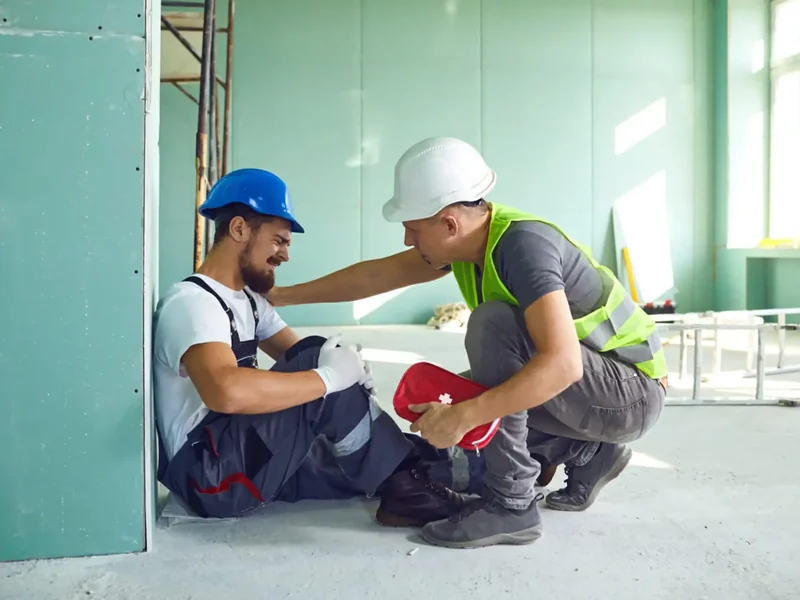
Work Injuries
Get back to the job safely, with documentation your employer needs.

Auto Accident Injuries
Whiplash and crash injuries treated early, before they settle in.
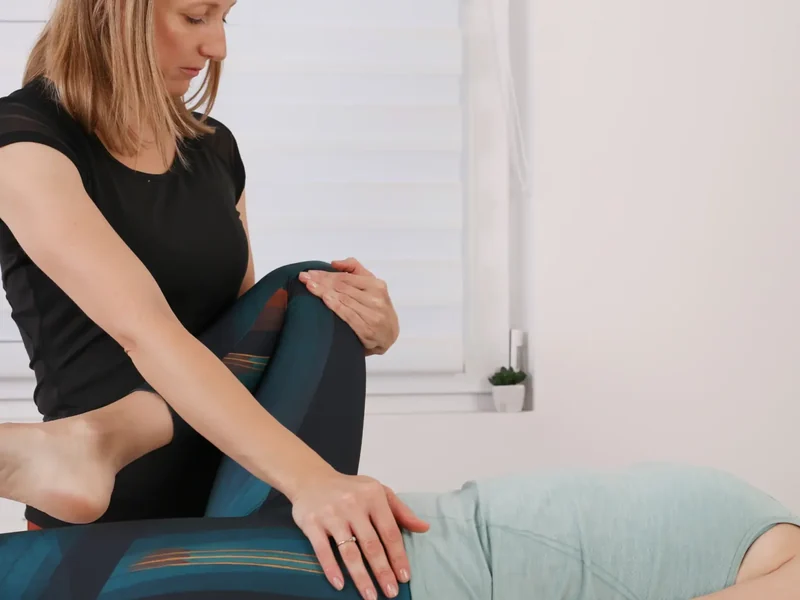
Physical Therapy
One on one care that finds the cause of your pain and builds the strength to keep it gone.
Ready when you are.
Saturday: 7:00am - 1:00pm | Sunday: Closed
Pick a day and time that works for you in our online scheduler. Prefer to talk it through? Call (617) 843-5320.
Book Online Now